How to Banish Turmeric Stains from Your Home and Hands
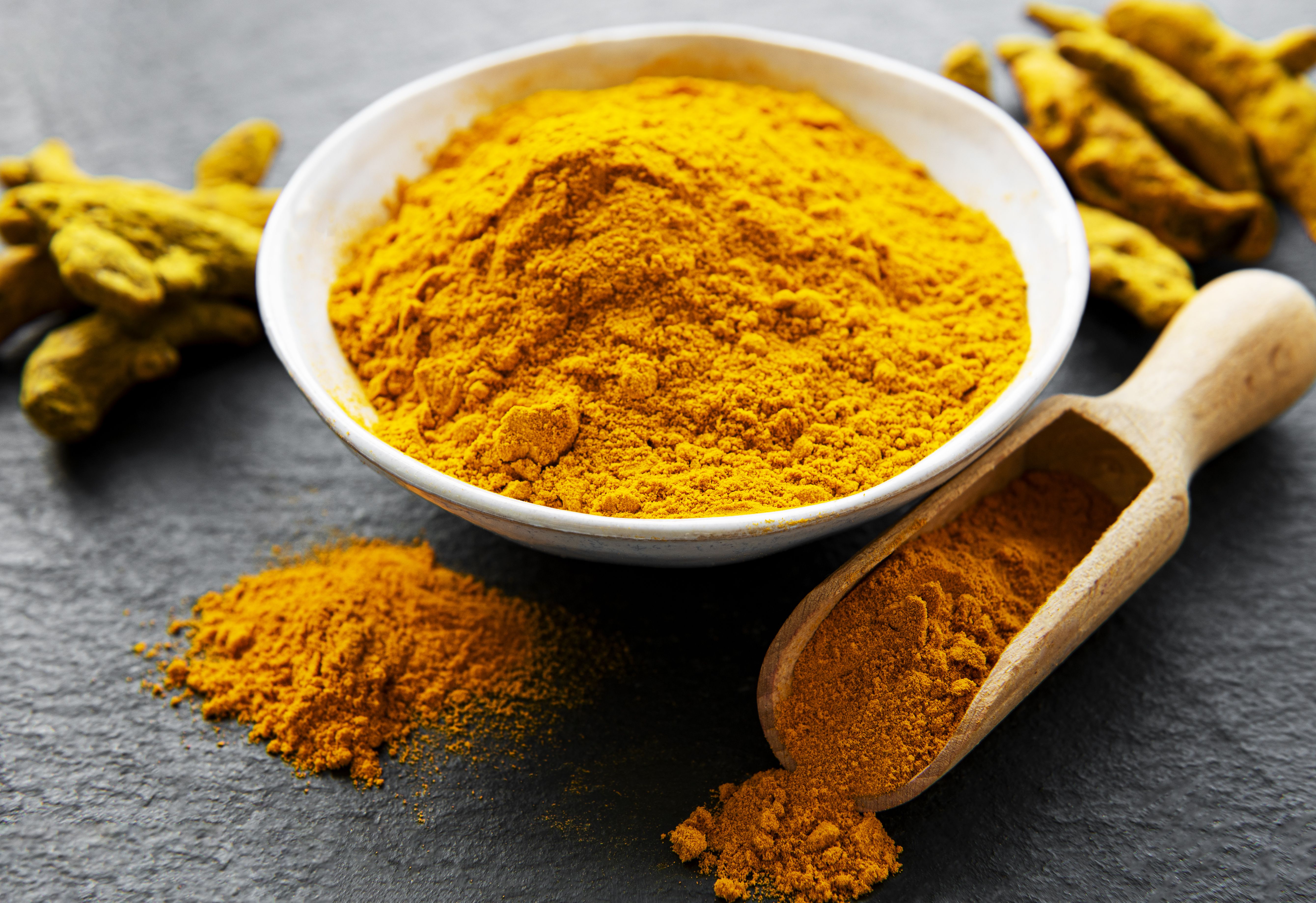
Turmeric, the golden spice renowned for its distinctive flavor in curries and its impressive health benefits, holds a secret many home cooks discover the hard way: its powerful staining capabilities. From boosting brain function to fighting inflammation, turmeric is a culinary and wellness superstar. But a cooking mishap can quickly turn a glorious golden meal into a permanent golden mark on your favorite possessions. Those vibrant, often stubborn, yellow-orange marks seem to cling to everything, from your pristine white shirt to your kitchen counter. The good news? While notoriously tricky, removing turmeric stains is absolutely possible. With the right techniques and a little persistence, you can restore your belongings to their former glory. This comprehensive guide will walk you through proven methods for how to remove turmeric stains from clothes, countertops, dishes, hands, and more, ensuring you can enjoy this super spice without the lingering golden evidence.Why Turmeric Stains Are So Stubborn (and How to Prevent Them)
The secret behind turmeric’s vivid color, and its equally potent staining power, lies in a natural compound called curcumin. Curcumin acts like a powerful dye, readily binding to fibers in fabric and porous surfaces, making those golden marks notoriously difficult to dislodge. The longer a turmeric stain sits, the deeper the curcumin penetrates, which is why acting quickly is always your best defense. Prevention, as they say, is better than cure. By taking a few proactive steps, you can significantly reduce the risk of turmeric leaving its mark:- Wear Protective Gear: If you're handling turmeric, especially in powdered form or making pastes, consider wearing food service-grade gloves and an old apron to protect your clothes.
- Choose Your Utensils Wisely: Opt for metal or dark-colored utensils, cutting boards, and serving dishes. White or light-colored plastics and fabrics are magnets for turmeric's pigment.
- Rinse Immediately: As soon as cooking or serving is done, rinse all items that have come into contact with turmeric. This simple act can prevent curcumin from setting.
- Wipe Spills Promptly: Don't let powdered turmeric or a spill sit. Gently brush away solids, then immediately clean any residue. Avoid wiping or smearing, as this can spread the stain.
How to Remove Turmeric Stains from Clothes and Fabrics
Turmeric stains on fabric, whether it's your favorite shirt or a tablecloth, often require a multi-step approach and sometimes more than one treatment. The key is never to use hot water or put the item in a dryer until you’re certain the stain is gone, as heat can permanently set the curcumin. Here’s a detailed guide on how to remove turmeric stains from textiles:- Remove Solids First: Using a spoon, dull knife, or the edge of a credit card, carefully scrape away any excess turmeric powder or food containing turmeric. Do not rub or wipe, as this will spread the stain and push the pigment deeper into the fibers.
- Pre-Treat the Stain: This crucial step offers several effective methods:
- Rubbing Alcohol: Dab rubbing alcohol directly onto the stained area with a clean cloth. Alcohol acts as a solvent, breaking down curcumin.
- Citrus Dish Soap or Liquid Laundry Detergent: Apply a small amount of concentrated citrus dish soap or a heavy-duty liquid laundry detergent directly onto the stain. Gently work it into the fabric.
- Hydrogen Peroxide (for whites/colorfast): For white or very light-colored, colorfast fabrics, a diluted 3% hydrogen peroxide solution can be effective. Always patch test first.
- Launder in Cold Water: Wash the stained item in cold water using your regular laundry detergent. Cold water prevents the stain from setting.
- Air-Dry Completely: After washing, hang the item to air-dry. Do not put it in a tumble dryer! Heat from a dryer can bake any remaining pigment into the fabric, making removal virtually impossible.
- Assess and Repeat if Necessary: Once dry, inspect the item. Turmeric stains often require more than one treatment. If the stain persists, repeat steps 2-4.
- Consider Laundry Bluing (for stubborn yellow): For persistent yellow stains on white or light-colored fabrics, a specialty product called laundry bluing can help. Bluing adds a microscopic trace of blue to counteract yellowing. Follow product instructions and test first.
- Sunlight Treatment: For lingering faint yellow traces, the sun can work wonders. Lay the still-stained item outdoors in direct sunlight for several hours or even a day. UV rays naturally break down curcumin.
Tackling Turmeric Stains on Countertops and Hard Surfaces
Accidental turmeric spills on your kitchen counters are common, especially with light-colored laminate, quartz, or granite. While hard surfaces might seem less prone to staining than fabric, some surfaces' porous nature allows curcumin to penetrate quickly. Here’s how to effectively remove those bright yellow marks:- Brush Away Solids (Do Not Wipe!): If it’s powdered turmeric, gently brush it away with a dry paper towel or soft brush. Do not wipe or smear, and avoid adding liquid cleaners at this stage.
- Create a Baking Soda Paste: Mix equal parts baking soda and water to form a thick paste. Baking soda's gentle abrasive quality helps lift stains without scratching most surfaces.
- Apply and Let Sit: Generously apply the baking soda paste directly onto the turmeric stain. Allow the paste to sit for 15 minutes to an hour for stubborn stains.
- Gently Scrub: Using a damp, non-scratch sponge or a soft cloth, gently scrub the baking soda paste into the stain using a circular motion. Apply light pressure.
- Wipe Away and Rinse: Wipe away the baking soda paste with a clean, damp cloth. Rinse the area thoroughly to remove any residue.
- Repeat or Try Alternatives: If the turmeric stain has lightened but is still visible, repeat the baking soda treatment. For very stubborn stains on non-porous surfaces like sealed stone or ceramic, consider:
- Hydrogen Peroxide: For light-colored, sealed countertops, dab a 3% hydrogen peroxide solution onto the stain. Let it sit for a few minutes, then wipe clean. Always test first.
- Lemon Juice: Lemon juice's natural acidity and mild bleaching properties can help. Squeeze fresh lemon juice onto the stain, let it sit for 10-15 minutes, then wipe and rinse. Be cautious with delicate or unsealed surfaces, as acid can etch some materials.
- Sunlight (if portable): If the stained item is small and portable (e.g., a cutting board), placing it in direct sunlight can help fade the stain.
Other Tricky Turmeric Stains: Dishes, Hands, and More
Turmeric doesn't just target clothes and counters; it can leave its mark on a variety of other household items and even your skin. Here’s how to tackle those additional challenges:Removing Turmeric Stains from Dishes and Plastic Containers
- Immediate Rinse: After use, rinse dishes and plastic containers thoroughly with hot water and dish soap.
- Dish Soap and Scrub: For lingering stains, especially on plastic, fill the container with warm water, add dish soap, and let it soak. Scrub vigorously.
- Sunlight Power: For persistent yellowing on plastic containers, this is a miracle worker! Wash the containers, then place them outside in direct sunlight. UV rays naturally bleach out the curcumin. This can take a few hours or a full day.
- Baking Soda Paste (for stubborn spots): A baking soda paste can be applied to stubborn spots on ceramic or glass dishes. Let it sit, then scrub gently.
Cleaning Turmeric Stains from Hands
Cooking with turmeric can leave your fingers and nails looking golden.- Soap and Warm Water: Start by washing your hands thoroughly with soap and warm water. A dish soap with degreasing properties can be particularly effective.
- Lemon Juice or Vinegar: Squeeze fresh lemon juice onto your hands or apply white vinegar. Rub it over the stained areas for a minute or two. The acidity helps to break down the pigment. Rinse well.
- Gentle Exfoliation: Create a paste with baking soda and water or use a gentle exfoliating scrub. Rub this over your hands to physically lift the stain from the top layer of skin.
- Sunlight: A bit of direct sunlight can help fade hand stains, though this is often a last resort.
Addressing Turmeric Stains on Cutting Boards
Wooden or plastic cutting boards can quickly absorb turmeric's color.- Lemon and Salt/Baking Soda: Sprinkle coarse salt or baking soda over the stain. Use a lemon half to scrub the abrasive into the board; its acid helps lift the stain. Let it sit for 10-15 minutes before rinsing.
- Sunlight (for plastic boards): If your cutting board is plastic, place it in direct sunlight after cleaning to further fade any remaining yellow.
While turmeric’s vibrant hue is a culinary delight, its staining power can be a source of frustration. However, armed with the right knowledge and a bit of patience, those stubborn golden marks don't stand a chance. Remember the golden rules: act fast, avoid heat, and leverage the power of common household ingredients and even sunlight. By understanding why curcumin binds so effectively and employing these proven techniques for clothes, counters, dishes, and hands, you can confidently continue to enjoy the flavor and health benefits of turmeric without fear of lasting yellow reminders. Happy cooking!
