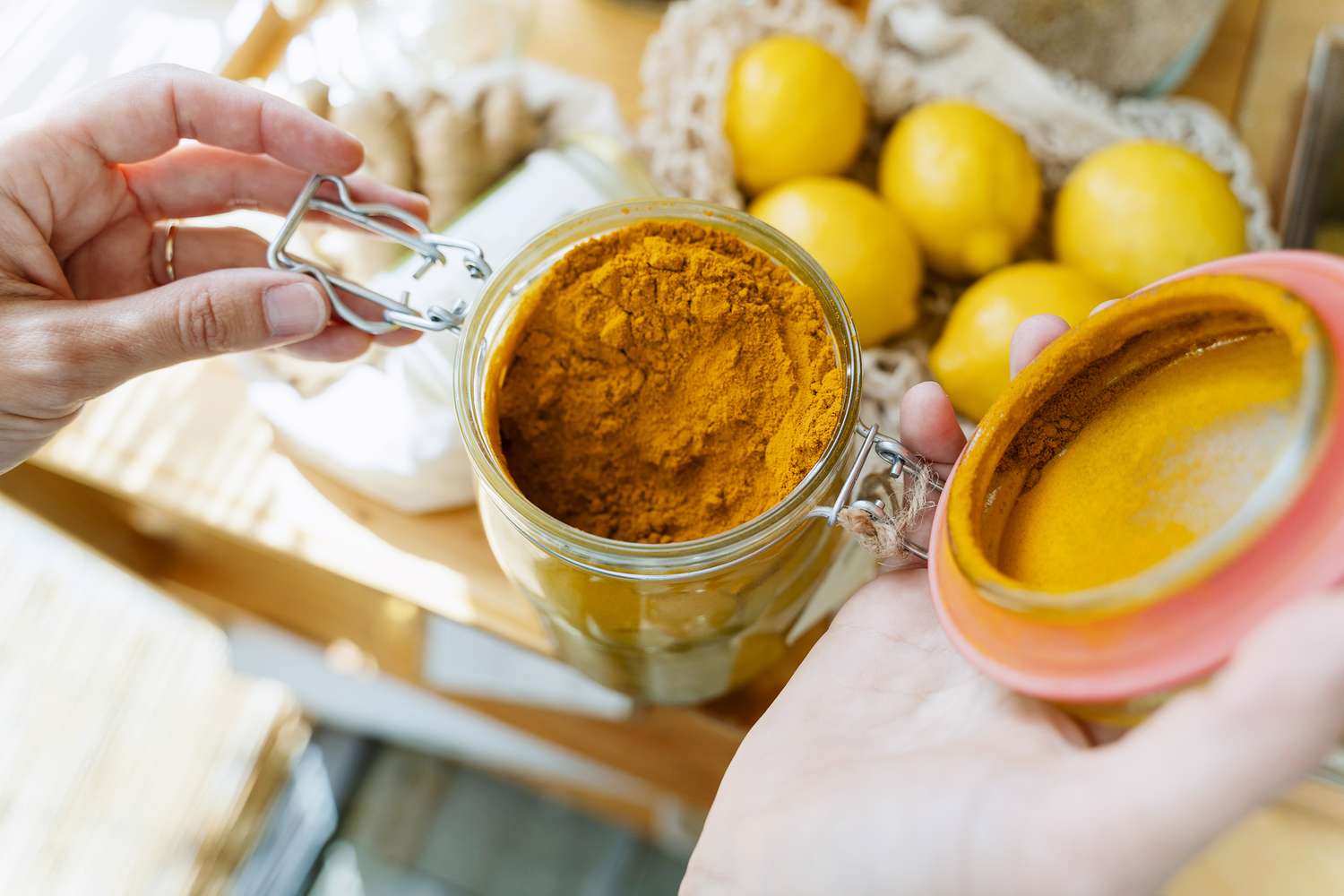
Turmeric, the golden spice celebrated globally for its earthy flavor and incredible health benefits, is a powerhouse ingredient in countless cuisines. Revered for its anti-inflammatory properties and ability to boost brain function, this vibrant root brings a warm, inviting hue to dishes. However, there's a flip side to its beautiful color: turmeric is a notorious stainer, capable of leaving bright yellow marks that seem almost impossible to budge. If you've ever had a golden milk latte spill on your favorite shirt or a curry splatter on your kitchen counter, you know the panic that ensues. But don't despair! While stubborn, turmeric stains are not permanent. With the right techniques and a little know-how, you can effectively tackle these fiery yellow culprits on virtually any surface.
Understanding the Stubbornness: Why Turmeric Stains Stick
The secret behind turmeric's intense staining power lies in a compound called curcumin. This natural pigment is what gives turmeric its distinctive bright yellow-orange color. Curcumin acts like a dye, readily binding to the fibers of fabrics and the porous surfaces of countertops and plastics. The longer a turmeric stain sits, the more deeply this pigment penetrates, making it increasingly challenging to remove. This is why speed is your greatest ally when a turmeric mishap occurs – fresh stains are always significantly easier to treat than dried, set-in ones.
While dealing with an existing stain is often unavoidable, a little prevention can go a long way in minimizing future clean-up headaches:
- Choose Wisely: When cooking with turmeric, opt for dark-colored or metal utensils, serving dishes, and table linens. White or light-colored items are magnets for turmeric stains.
- Rinse Immediately: As soon as you're done using dishes or utensils that have come into contact with turmeric, rinse them thoroughly to prevent the spice from drying and bonding to the surface.
- Gloves On: If you're handling raw turmeric or preparing foods that heavily feature the spice, consider wearing food service-grade gloves to protect your hands from temporary discoloration.
Understanding these preventative measures can save you a lot of effort in the long run. For more insights into why turmeric is so tricky and how to act fast, check out our guide: Beat Yellow Stains: Why Turmeric is Tricky & How to Act Fast.
Targeted Solutions: How to Remove Turmeric Stains from Fabrics
Turmeric stains on clothing, dish towels, or table linens can be particularly frustrating, often requiring more than one treatment. The key is patience and avoiding heat, which can permanently set the stain.
- Remove Solids First: Before applying any liquid or cleaner, gently scrape away any solid turmeric or food containing turmeric using a spoon or the dull side of a knife. Do NOT wipe or rub, as this can spread the stain and push the pigment deeper into the fabric fibers.
- Pretreat the Stain: Select one of the following powerful pretreatments and apply it directly to the stained area:
- Rubbing Alcohol: This acts as a solvent, helping to dissolve the curcumin.
- Citrus-Based Dish Soap: The degreasing power of citrus helps break down the oils that often accompany turmeric, while the soap lifts the pigment.
- Liquid Laundry Detergent: Opt for a high-quality, enzymatic detergent designed for stain removal.
- Launder in Cold Water: After pretreating, wash the item as usual in cold water. Cold water is crucial because hot water can set turmeric stains permanently.
- Air-Dry Completely: Do NOT put the stained item in a dryer, even if the stain appears to be gone. The heat from a dryer will bake in any remaining traces of turmeric, making them impossible to remove. Always air-dry the fabric and inspect it thoroughly once dry.
- Repeat if Necessary: It’s common for turmeric stains to require multiple treatment cycles. If the stain persists after air-drying, repeat the pretreatment and cold wash steps.
- Consider Laundry Bluing (for whites): For stubborn yellow stains on white fabrics, a specialty product called laundry bluing can be highly effective. Bluing works by adding a tiny amount of blue pigment to counteract the yellow, making whites appear brighter. Follow product instructions carefully.
Tackling Hard Surfaces: How to Remove Turmeric Stains from Countertops, Dishes, and Hands
Hard surfaces present their own challenges, but with the right approach, you can restore them to their original glory.
How to Remove Turmeric Stains from Countertops
A turmeric spill on your kitchen counter can be alarming, especially on light-colored or porous materials. Here’s how to remove turmeric stains effectively:
- Brush Away Solids: If powdered turmeric has spilled, gently brush it away with a dry cloth or paper towel. Do not wipe or smear, and avoid adding liquid cleaners initially, as this can spread the pigment and worsen the stain.
- Apply a Baking Soda Paste: Create a thick paste by mixing equal parts baking soda and water. Baking soda is a mild abrasive and a natural deodorizer. Apply this paste generously over the turmeric stain.
- Let it Sit: Allow the baking soda paste to sit on the stain for at least 15 minutes, or even longer for more severe stains (up to an hour).
- Gently Scrub: Using a damp, non-scratch sponge or cloth, gently scrub the baking soda paste into the stain using circular motions. The gentle abrasion will help lift the turmeric pigment.
- Wipe and Rinse: Wipe away the baking soda paste with a clean, damp cloth, then rinse the area thoroughly.
- Harness Sunlight (Optional, but highly effective): For lingering faint yellow stains on light-colored countertops, especially those made of quartz or solid surface materials, sunlight can be a powerful natural bleacher. If possible, expose the stained area to direct sunlight for several hours. Curcumin is photosensitive and will often fade significantly when exposed to UV rays.
How to Remove Turmeric Stains from Dishes and Utensils
When it comes to dishes, prompt action is key:
- Immediate Rinse and Wash: As soon as you're done eating or cooking, rinse dishes and utensils thoroughly. Then, wash them with hot water and your regular dish soap.
- Sunlight for Plastics: Plastic containers and cutting boards are particularly prone to turmeric staining due to their porous nature. If regular washing doesn't remove the stain, place the plastic item in direct sunlight for a few hours. This method is incredibly effective at fading turmeric stains from plastic.
How to Remove Turmeric Stains from Hands
If you've been working with turmeric without gloves, your hands might end up with a tell-tale golden glow. Here's how to remove turmeric stains from your skin:
- Lemon Juice and Salt: Mix the juice of half a lemon with a tablespoon of salt. Rub this mixture gently over the stained areas of your hands. The lemon acts as a natural bleach, while the salt provides a gentle exfoliation. Rinse thoroughly and apply a moisturizer afterward, as lemon juice can be drying.
- Rubbing Alcohol: Apply a small amount of rubbing alcohol to a cotton ball and gently dab or rub the stained areas. The alcohol acts as a solvent.
- Oil: Surprisingly, oil can help! Rub a small amount of cooking oil (like olive or coconut oil) onto the stained skin. The oil helps bind to the oil-soluble curcumin, making it easier to wash away with soap and water afterward.
General Tips for Success and a Stain-Free Future
Conquering turmeric stains requires a combination of quick action, the right tools, and a little patience. Remember these overarching principles:
- Act Fast: The fresher the stain, the easier it is to remove.
- Test First: Always test any stain removal solution on an inconspicuous area of the material before applying it to the main stain.
- Avoid Heat: Heat is the enemy of turmeric stains, as it can set them permanently. This applies to hot water in washing machines and dryers for fabrics, and sometimes even very hot water for hard surfaces if the stain hasn't been pre-treated.
- Persistence Pays Off: Don't be discouraged if a stain doesn't disappear after the first attempt. Multiple treatments are often necessary.
With these proven methods in your cleaning arsenal, you can confidently cook with turmeric without fearing the aftermath. Embrace the golden goodness of this incredible spice, knowing that any accidental spills are just temporary challenges with a clear solution. For a comprehensive overview of how to remove turmeric stains from various household items, consult our guide: How to Remove Turmeric Stains from Clothes, Counters & More.
